Discuss Your System
Case Studies & Proven Systems

Systems Built for Real Business Operations.

Every system here was designed and engineered to solve a specific operational bottleneck, replace disconnected tools, or automate complex business workflows.

Bespoke Architecture
Built around exact company operations rather than rigid generic SaaS molds.
Production Deployments
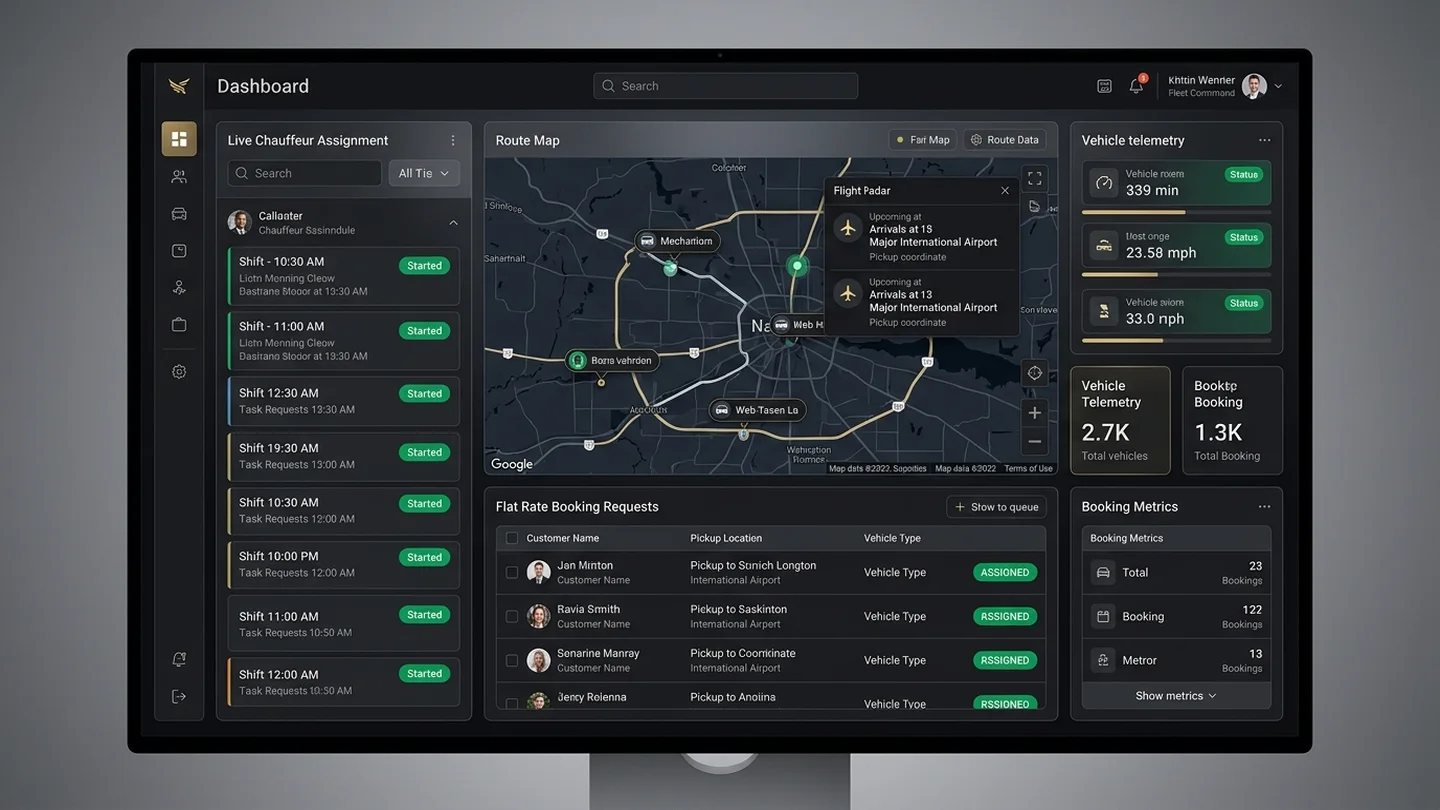
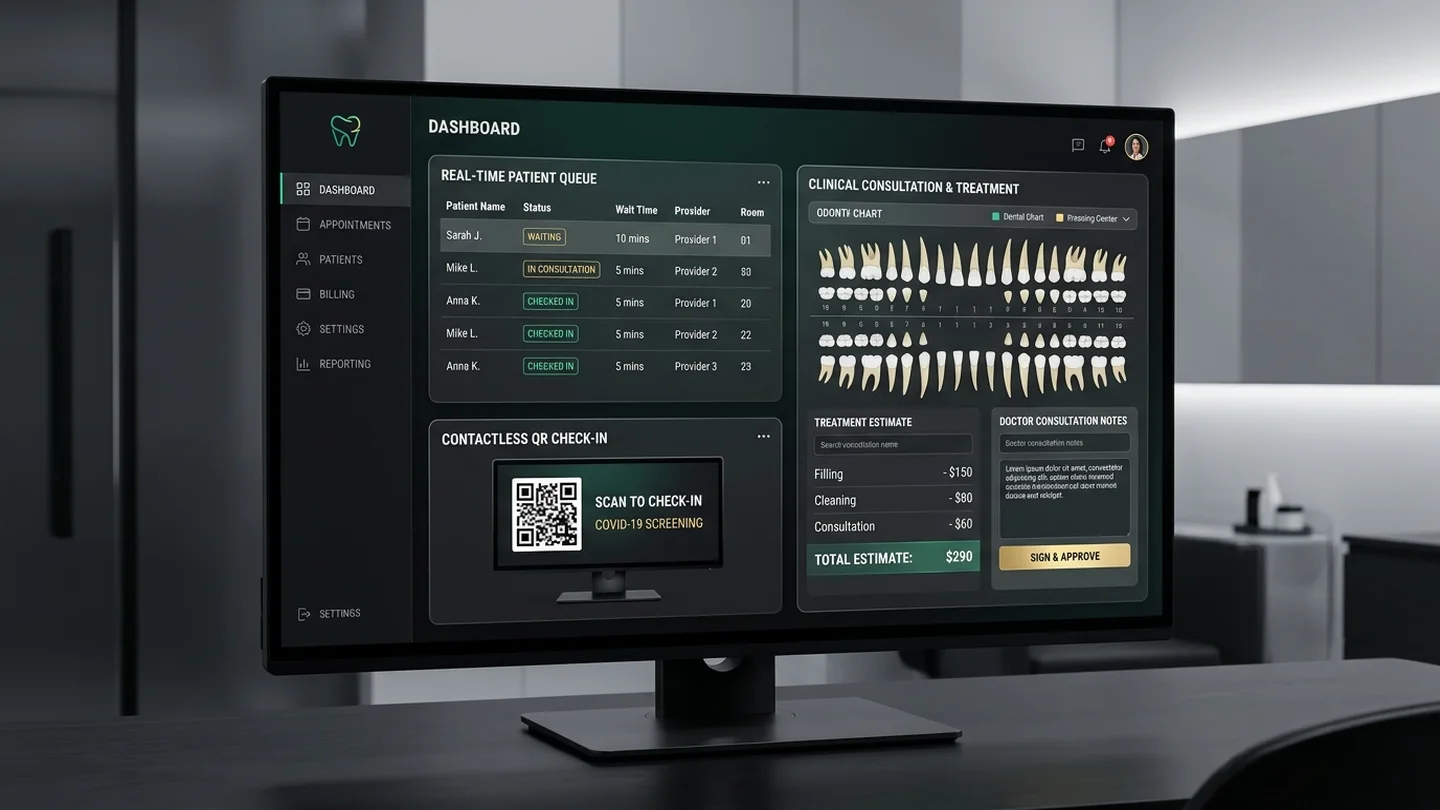
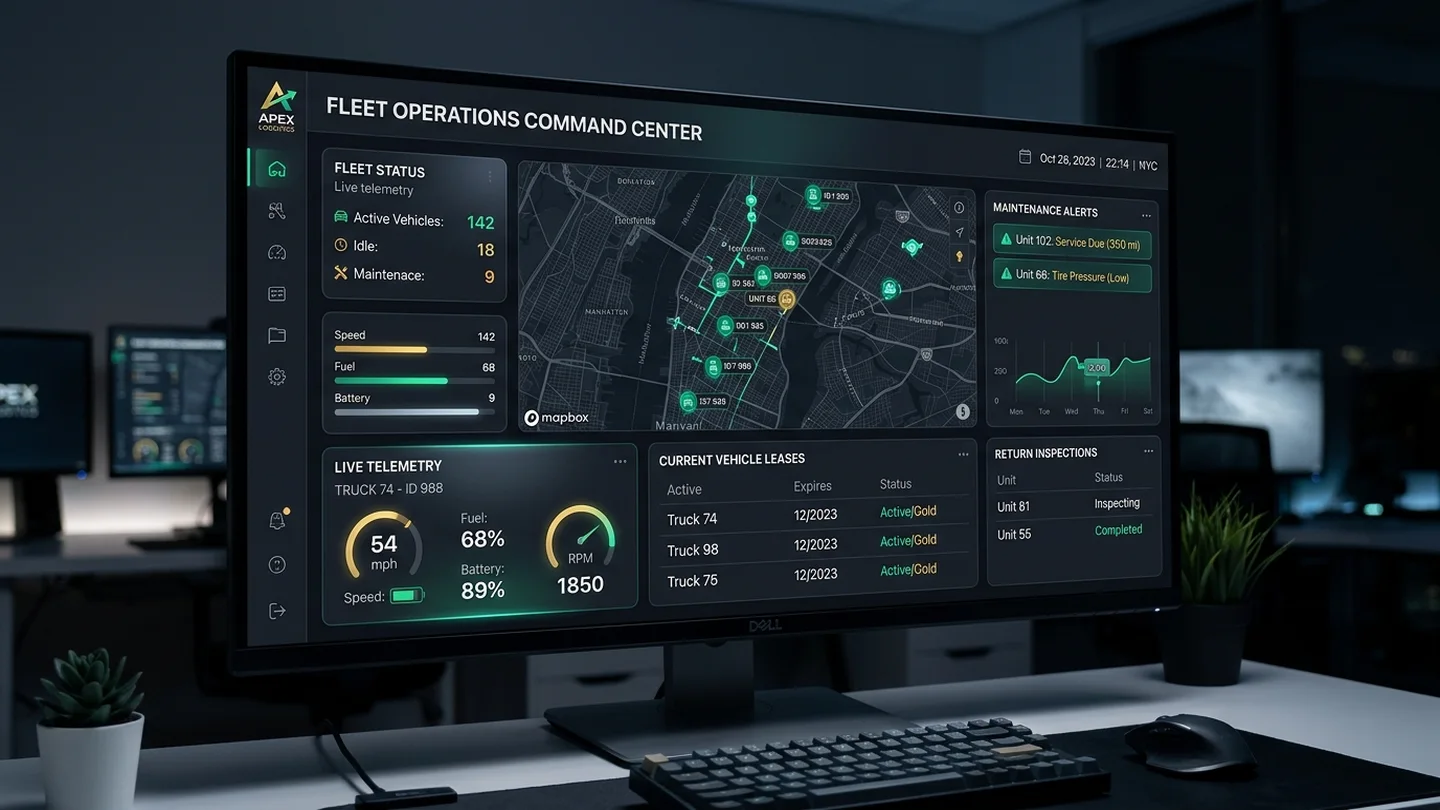
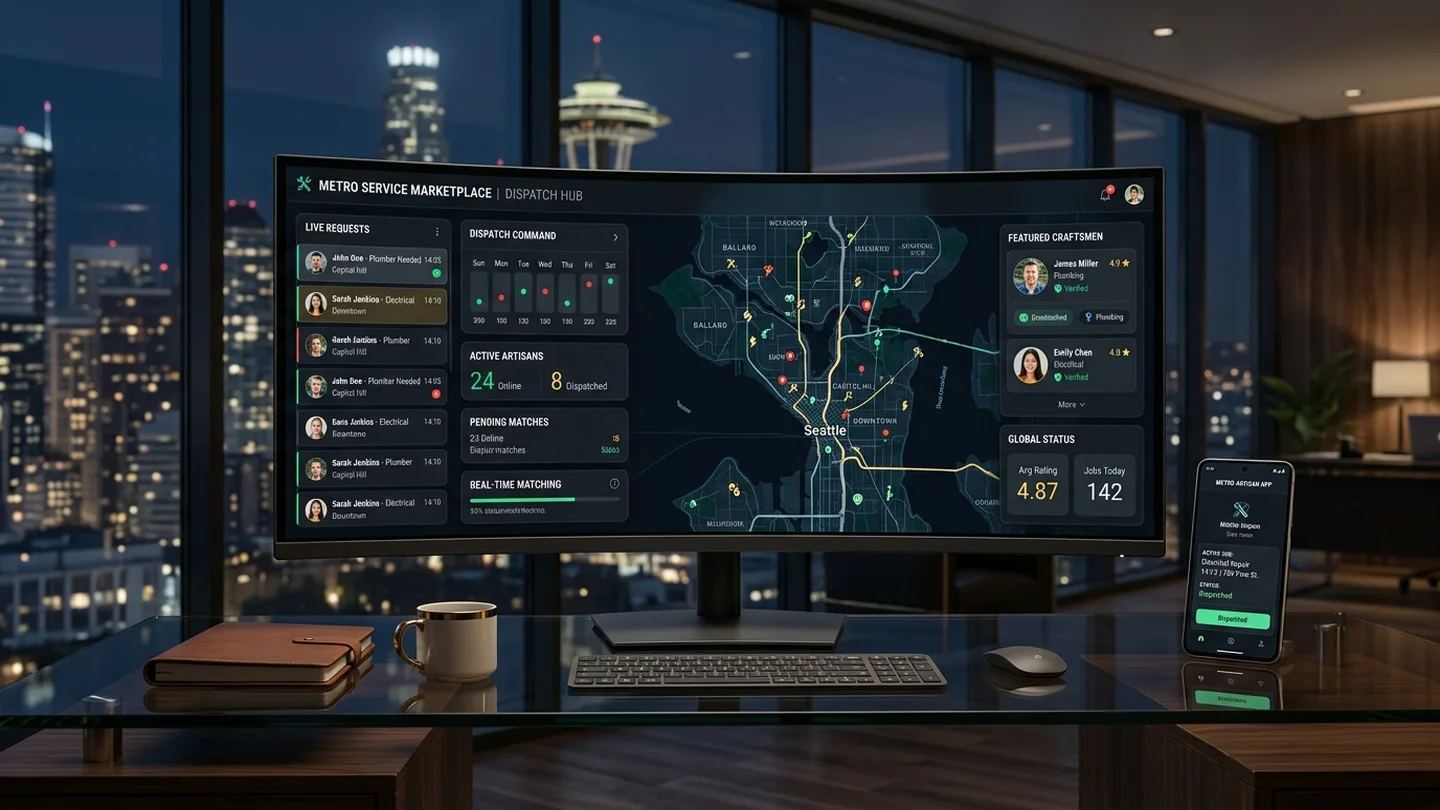
Active systems managing live reservations, healthcare queues, and vehicle fleets.
Agreement-Defined IP
Source code ownership and dedicated database hosting defined in the project scope.
Engineering Methodology

How an Operational Bottleneck Becomes a Connected System.

We do not build speculative software. Every engineering engagement follows a rigorous 5-stage transformation blueprint.

01

Operational Friction Audit

We analyze where data is trapped, where manual handoffs cause delays, and what existing tools fail to coordinate.

02

System Architecture Blueprint

We design database schemas, API interfaces, user permission boundaries, and data pipelines before writing code.

03

Dedicated Milestone Sprints

We engineer working functional milestones with real company data, giving you direct visibility into platform progress.

04

Operational Integration

We connect payment processors, communication gateways, hardware telemetry, or existing databases seamlessly.

05

Production Monitoring & SLAs

We deploy to dedicated infrastructure with ongoing system health monitoring, rapid response times, and full support.

The Operational Contrast

Fragmented Workflows vs. Connected Systems.

What changes when custom business software replaces disconnected SaaS tools and manual spreadsheets.

Operational Friction (Disconnected Tools)
  • Siloed Information: Critical company numbers and customer records are trapped in static, outdated spreadsheets.
  • Manual Retyping: Staff spend daily hours copying customer details, booking notes, and invoices across disconnected applications.
  • Delayed Response: Inbound booking requests sit in email or WhatsApp queues waiting for manual quote calculations.
  • Blind Spots: Leadership lacks a unified view of active orders, technician capacity, or vehicle locations in real time.
  • Compounding Subscription Costs: Per-seat SaaS licensing costs continuously increase as staff size expands.
Connected Wapim System (Unified Operations)
  • Centralized Database: Single source of operational truth accessible across authorized staff roles and departments.
  • Automated Handoffs: Incoming requests flow automatically into capacity scheduling, contract generation, and fulfillment.
  • Immediate Processing: Rule-based pricing engines calculate quotes and reserve capacity automatically.
  • Real-Time Visibility: Executive dashboards display live queue states, active jobs, and vehicle coordinates instantly.
  • Direct Code Ownership: Source code ownership defined in the project agreement with zero per-seat subscription drain.
Clear Answers

Frequently Asked Questions About Our Systems.

Direct information about our case studies, source code ownership, and technical delivery model.

How do custom business systems differ from off-the-shelf SaaS software?

Off-the-shelf SaaS software requires your company to adapt its internal workflows to generic product limitations and imposes recurring per-seat subscription fees. A custom business system is engineered specifically around your exact operational rules, data flows, and team structure, eliminating monthly license bloat while connecting your existing tools into a single coherent interface.

Who owns the source code and intellectual property once a system is delivered?

You own the intellectual property and source code for the custom systems built for your company, as explicitly outlined in our project agreement. We deploy your system to your dedicated cloud or on-premise infrastructure, ensuring you maintain complete independence with zero vendor lock-in.

How long does an operational system typically take to design and launch?

Standard operational milestones are designed and deployed in structured sprint cycles of 2 to 6 weeks. More complex multi-department platforms or telemetry architectures typically roll out in phased releases, allowing your team to operationalize core capabilities early while subsequent modules are engineered.

Can Wapim integrate with our existing software, databases, or third-party APIs?

Yes. Custom system development routinely includes connecting legacy SQL/PostgreSQL databases, third-party payment gateways (Stripe), real-time flight radar feeds, telemetry hardware, CRM platforms, and communication services (Twilio, WhatsApp Business). We bridge fragmented tools rather than forcing you to abandon functional data stores.

How are client confidentiality and sensitive operational data handled?

We treat all client operational workflows, proprietary data models, and business logic with strict confidentiality. Where appropriate, client names are withheld from public case studies. Systems are deployed with single-tenant database isolation, encrypted environment variables, and role-based access security.

Ready for Operational Clarity?

Have a Similar Bottleneck in Your Operations?

Tell us how your business currently operates. We will analyze your workflow bottlenecks and present a straightforward technical blueprint to connect your systems.

Direct Senior Engineer Evaluation • 2–4 Hour SLA Response